Posts

Common Terminologies in Narcissistic Abuse

Image
These are some of the common terminologies used in narcissistic abuse Narc - Refers to a Narcissist Target  - The primary person experiencing or that experienced domestic/narcissistic abuse Love Bombing -  The initial strategic attention, superficial, feign affection the narcissist displays to secure their targets. It could be easily mistaken as genuine love, care and affection. They make empty promises, flatter their targets with excessive praise or gifts. They might also pretend to show interests in what they actually loathe just to deceive their target into believing and accepting them Narcissistic Supply - praise, admiration, validation, laudable position or title the narcissist desperately seek and needs to create a sense of importance  Enablers - People that knowingly or unknowingly support, validate, justify and revere narcissistic behaviour Flying Monkeys - The people the narcissists successfully manipulate to act on their behalf. The...

It's OK To Cry

Image
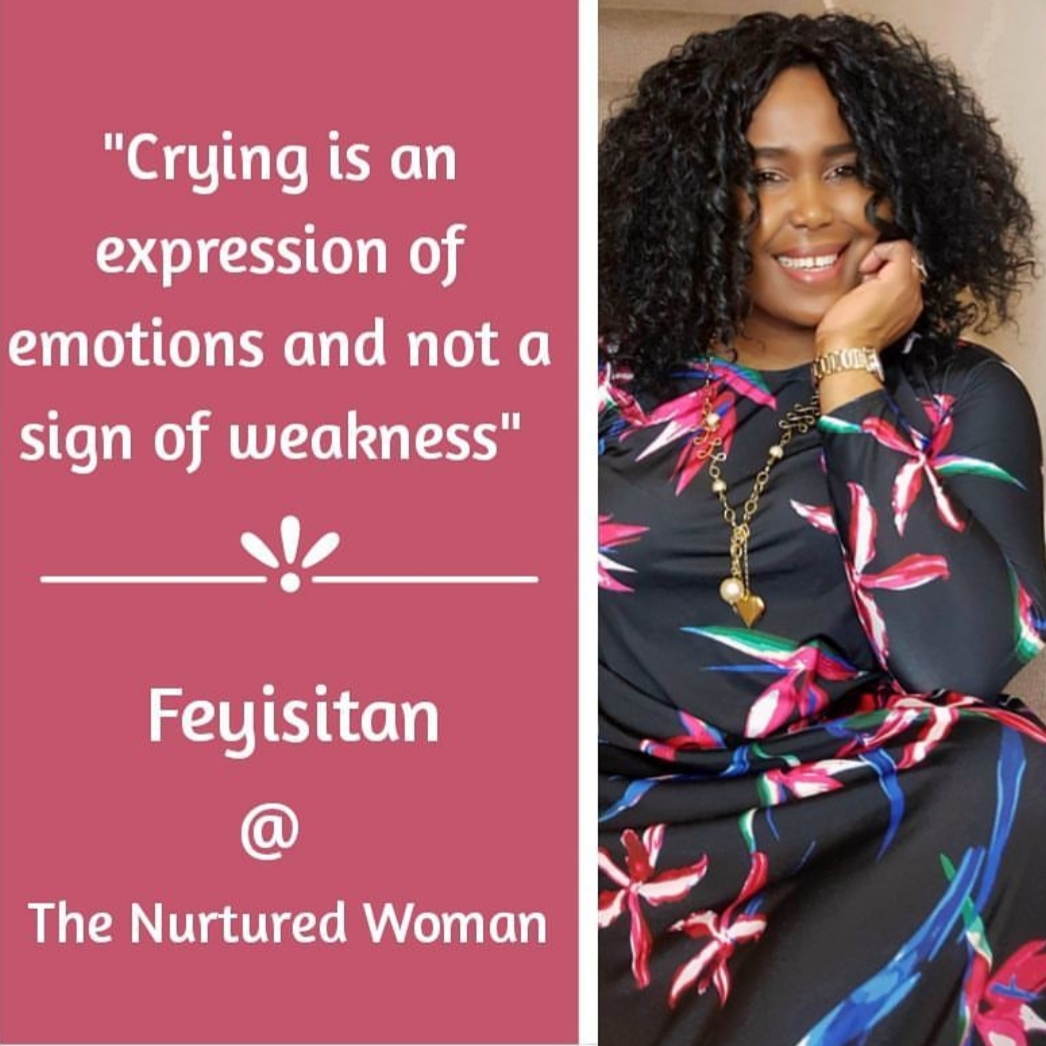
Yes, it's ok to cry when hurt. Crying is an expression of emotions and not a sign of weakness In a world where many people are raised with "big boys don't cry", ''man-up'' mentality to show strength when hurt or facing challenges, many people have been forced to master the act of suppressing their true emotions. However, suppressed hurtful emotions often lead to misplaced aggression which may lead to abusive behaviour When children are trained to suppress their emotions: - They may associate crying with weakness and become insensitive to other people's feelings and emotions  - They may use crying as a weapon of deception to avoid accountability -  They may experience frustration which will lead to transferred aggression (blind rage) Over the years, from personal experience and other people's experiences of domestic abuse, It's found that abusers often display phases of exploitative rage which leave their vic...

You're More Powerful Than The Abuser

Image
Image by  lubovlisitsa on Pixabay  Are you familiar with the phrase 'hurting people hurt others? 🤔 . I bet you are 🌞 👩‍💻  But are you aware that you're actually more powerful than the person abusing you?? 🤔  Maybe not necessarily physically but mentally  #readon No doubt abusive behaviours are learnt over time. No one was born an abuser  ✔ 💯   #notdnaissue 🤷‍♀️ Somewhere between faulted upbringing, exposure to trauma, suppressed emotions, unresolved personal issues, manipulated scriptures, entangled with warped religious and cultural beliefs, an abuser was made  ✔ 💯 . The abuser's first tactic is to strip you of your self-esteem or take advantage of your vulnerabilities The abuser instils fear in you out of their own insecurities not because of what you did or didn't do or say Your escape/leaving is an exposure of their inadequacies. In other words, you're a 'mask thief' 🙈 Fear, entitlement mentality and insecurities are some of the re...

Prayer for Women in Abusive Marriages

There's another layer of abuse women of faith experience that forces some to endure domestic abuse much longer  #spiritualbuse  . .They're often accused of - "not praying hard enough'","not submissive enough". .They're quickly reminded that - ''God hates divorce", "a wise woman builds her home" . Then blackmailed with being 'unforgiving and not Christ-like' when they summon the courage to leave the abuser. . .Some are ostracised, isolated, stripped of their titles or positions because they're suddenly not 'wise enough women' for being separated or divorced due to domestic violence . .This moment, my heart goes out to - every woman, man and child who has lost a loved one - mother, sister, cousin, aunt, friend or colleague because of this. - those who have been shamed, condemned, overlooked or judged - those living with the consequences of the error and ignorance of those who should have pr...

10 Signs You Are A Victim of Narcissistic Abuse

Image
Image by Retha Ferguson on Canva Narcissistic abuse is often subtle and could easily go on unnoticed for several weeks, months or years. It could take the form of all types of abuse including physical, verbal, psychological, financial, sexual, digital or spiritual abuse. There would have been a repeated pattern of negative behaviours including coercive control and manipulation leaving you with devastating feelings about yourself before realising what really hit you. So how do you recognise that you are experiencing or have experienced narcissistic abuse? This list is not exhaustive and written in no particular order 1. Isolation: When you feel isolated from the people you would normally have good relationships with. These could be family, friends or other loved ones. Narcissists have the habit of manipulating you to believe that other people hate you and are not concerned about you.  2. Shame and Self-Isolation: When you feel the need to hide and avoid pe...

Signs of Domestic Abuse

Image
How Do You Know You're In An Abusive Relationship? Domestic abuse rarely takes the form of a one-off event. It's a repeated pattern of a combination of physical and non-physical negative behaviours. Non-physical abuse is as hurtful and harmful to your emotional, physical, spiritual and mental well-being as physical and sexual abuse are. Identifying signs of non-physical abuse starts with your feelings. If your gut feelings tell you 'something' is not right about the person you're dating or married to, don't ignore it. Trust your instincts, be observant, know the signs and make informed decisions. The list below is not exhaustive and in no particular order but will help you as a target of abuse to understand your experience or feelings - Feelings of Fear Feelings of Intimidation Manipulation Isolation from family, friends and loved ones Consistent Complaints, Condemnation or Criticism Blame Lack of Empathy Feelings of Rejection Lack of Ca...

Domestic Violence Awareness with Feyisitan - October 2017

Image
October is Domestic Violence Awareness Month. When we say NO to domestic violence, what exactly are we saying NO to? Domestic Violence Awareness with Feyisitan Watch on  YouTube Domestic Abuse doesn't just happen. It is a learned behaviour influenced primarily by upbringing, peer pressure, societal, cultural and personal beliefs. It is a behavioural problem facilitated by underlying psychological challenges including possible suppressed traumatic experience. Perpetrators can be helped and their targets of abuse can be helped and saved. Check out other posts on: Instagram Facebook YouTube Thank you.